
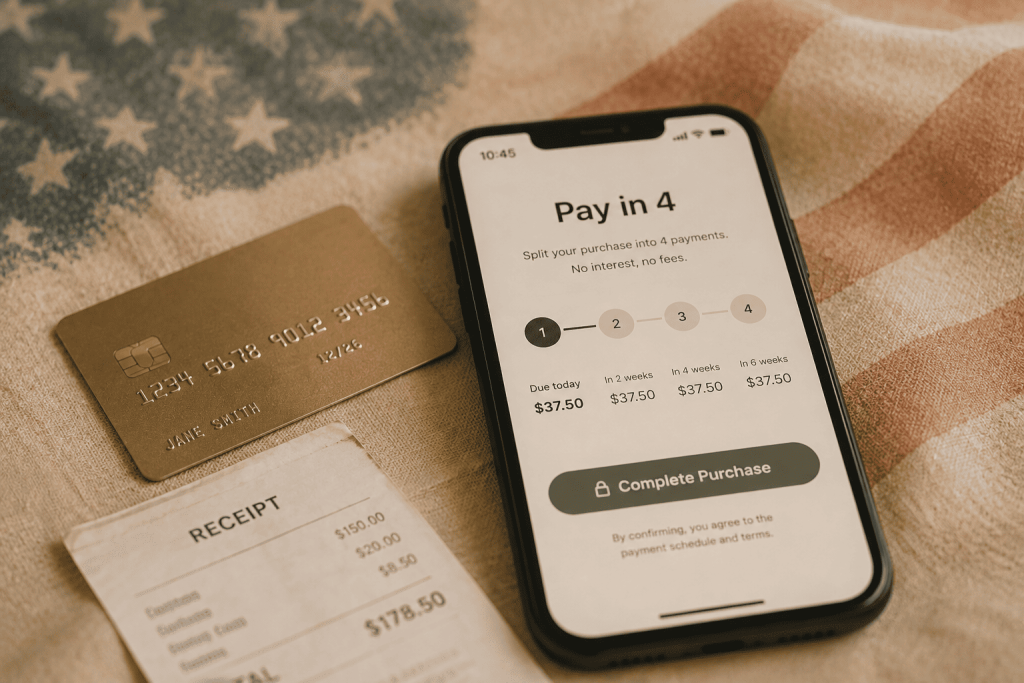
Yes — and if you’ve used Affirm, Klarna, Afterpay, or a similar “pay in 4” plan recently, your credit score may already reflect it. Starting in late 2025 and rolling out through 2026, FICO introduced a scoring model that factors in Buy Now, Pay Later activity for the first time, and major BNPL providers began reporting payment data directly to the credit bureaus.
What Actually Changed
Until recently, BNPL loans were largely invisible to credit bureaus — you could stack multiple “pay in 4” plans and none of it would show up on your credit report. That’s shifting fast:
- Affirm began sending data on all its short-term lending products, including Pay in 4, to Experian.
- Klarna began reporting to TransUnion.
- FICO rolled out a scoring model specifically built to incorporate BNPL repayment behavior.
Lenders will typically be able to see two versions of your score — one that includes BNPL data and one that doesn’t — and choose which to use for a given decision.
How Many Americans This Affects
According to TransUnion, nearly 130 million U.S. consumers took out a BNPL loan in the past year alone. Roughly half of American adults have used a BNPL service, and usage skews younger — a large share of Gen Z shoppers report increasing their BNPL use year over year. This isn’t a niche behavior anymore; it’s mainstream checkout financing, which is exactly why the credit bureaus pushed for visibility into it.
Positive vs. Negative Impact
| Scenario | Likely Effect on Your Score |
|---|---|
| You pay every BNPL installment on time | Neutral to positive — can help build history if you have a thin credit file |
| You miss or pay late | Negative — reported similarly to a late credit card or loan payment |
| You stack several BNPL plans at once | Can look like rising debt load even if each plan is small |
| You apply for a new BNPL plan | Usually a soft inquiry (no score impact), but some providers use hard checks on larger purchases |
FICO’s own simulations suggest most users will see a score movement of roughly plus or minus 10 points once BNPL data is fully factored in — comparable to the impact of opening a new account.
The “Phantom Debt” Problem
Because BNPL loans weren’t reported before, lenders evaluating your mortgage or auto loan application couldn’t see how many “pay in 4” plans you were juggling. That’s part of why bureaus pushed for this change — consumer advocates have flagged that stacked BNPL debt was effectively invisible to underwriters, even though it functions like any other short-term obligation.
How to Use BNPL Without Hurting Your Score
Treat it like a bill, not free money. Add every BNPL installment to your budget the moment you check out, not when the payment is due.
Don’t stack plans. Three or four simultaneous “pay in 4” plans across different retailers can add up to a real monthly obligation that’s easy to lose track of.
Check which bureau the provider reports to. Not all BNPL companies report the same way yet, so your credit report may not reflect every plan you have open — don’t assume it’s invisible forever.
Set payment reminders. Since these are now scored more like traditional credit, a missed BNPL payment carries real consequences it didn’t have a couple of years ago.
Frequently Asked Questions
Does applying for a BNPL plan hurt my credit score?
Usually not. Most BNPL providers use a soft credit check for approval, which doesn’t affect your score. Some may use a hard inquiry for larger purchases or longer repayment terms, so check the terms before you check out.
Do all BNPL companies report to credit bureaus?
Not yet. Reporting policies vary by provider and even by loan type within the same provider. The trend is moving toward full reporting, so assume your activity will eventually show up even if it doesn’t today.
Can BNPL debt hurt my mortgage approval?
Yes, potentially. As BNPL data becomes more visible to lenders, open installment plans can factor into your debt-to-income ratio during underwriting, the same way a car payment or personal loan would.
This post is for general informational purposes and isn’t personalized financial advice.